When people talk about air conditioners, you’ll often hear them mention whether a unit is a standard model or an inverter model. If you’re not familiar with the difference, it can be difficult to understand what those terms actually mean and which type is right for you.
In this guide, we’ll explain the key differences between standard and inverter AC units, compare them feature by feature, and help you decide which one best suits your needs.
Let’s begin with a simple overview.
A standard AC unit uses a fixed-speed compressor that switches on and off to regulate room temperature. An inverter AC unit uses a variable-speed compressor that adjusts its output to maintain the desired temperature more steadily.
Compressor Technology
The biggest difference between the two systems is how the compressor operates.
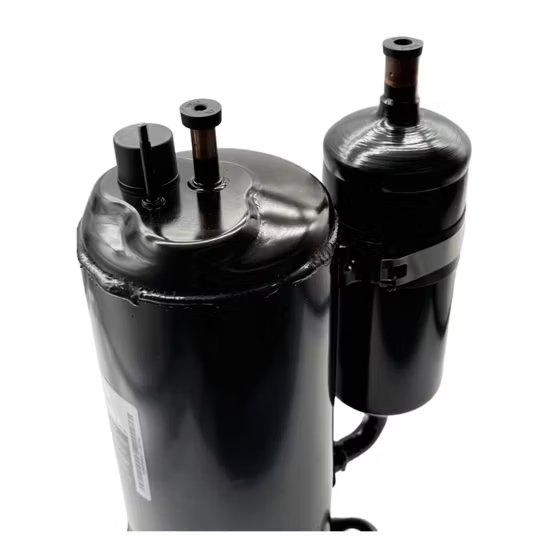
A standard unit’s compressor runs at full speed whenever it’s on and stops completely when the target temperature is reached. In contrast, an inverter compressor speeds up or slows down as needed, reducing unnecessary power consumption while maintaining a more consistent indoor temperature.
Control System (PCB)
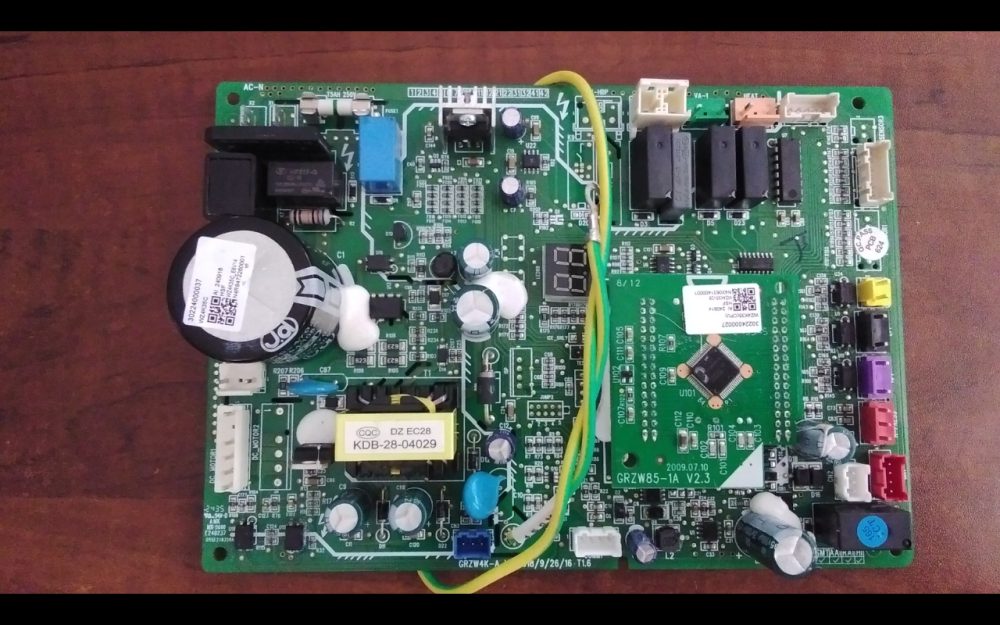
Both standard and inverter air conditioners use printed circuit boards (PCB), but the inverter unit relies on a far more advanced control system.
A standard unit typically uses a simpler control circuit that switches the compressor on and off, with a run capacitor helping the compressor motor operate efficiently.
An inverter unit uses a sophisticated PCB that constantly monitors temperature sensors and adjusts the compressor’s speed in real time. This precise control is what makes inverter systems quieter and more energy efficient.
Physical Identification
One way to identify an inverter unit is by checking the labels on both the indoor and outdoor units, which usually indicate that the system is an inverter model.
Inside the outdoor condenser, inverter systems typically contain a larger electronic control board with aluminum heat sinks that help dissipate heat from the power electronics. Standard units generally have a much simpler electrical compartment.
Cost
Standard AC units usually have a lower purchase price, making them a more affordable option upfront.
Inverter units cost more initially, but because they consume less electricity during normal operation, the energy savings can help offset the higher purchase price over time—especially if the unit is used frequently.
Concluding
Inverter units and standard units differ in numerous ways: compressor technology, control system, and pricing. We can also compare them by their manufacturers. We know that inverters are more energy efficient but all inverters aren’t always more efficient than standard units. You may find that a premium standard unit is more efficient than a low tier inverter unit provided by a manufacturer. Different manufacturers have varying designs and styles which often lead to varying energy efficiencies and pricing across the board.